
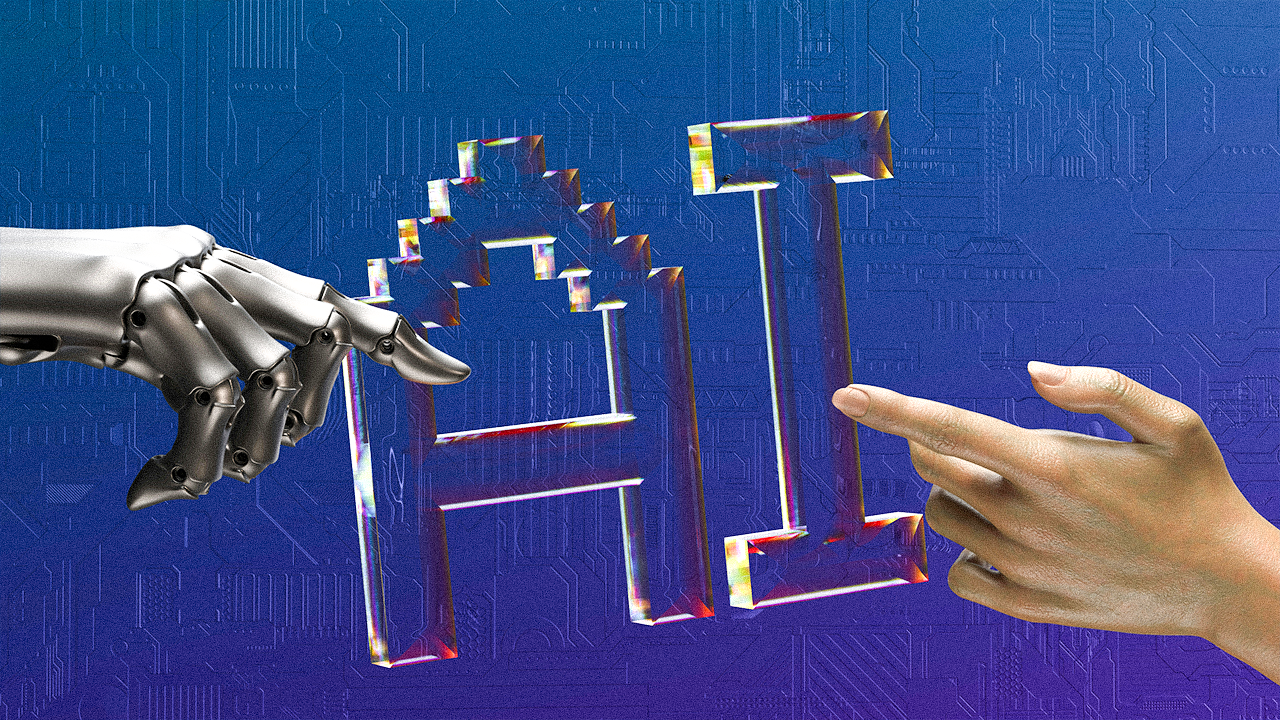
Human + AI Collaboration: Why Startups Using Both Are Pulling Ahead
For years, startups were told they had to choose: scale with people or scale with technology. Today, the most effective companies are rejecting that tradeoff entirely.
The fastest-growing startups aren’t replacing humans with AI. They’re redesigning how work gets done by combining human judgment with machine leverage. This model—often referred to as human + AI collaboration—is becoming a defining advantage for small teams competing against much larger organizations.
Rather than adding headcount, these businesses are adding capability. And the results are reshaping how modern startups operate, decide, and grow.
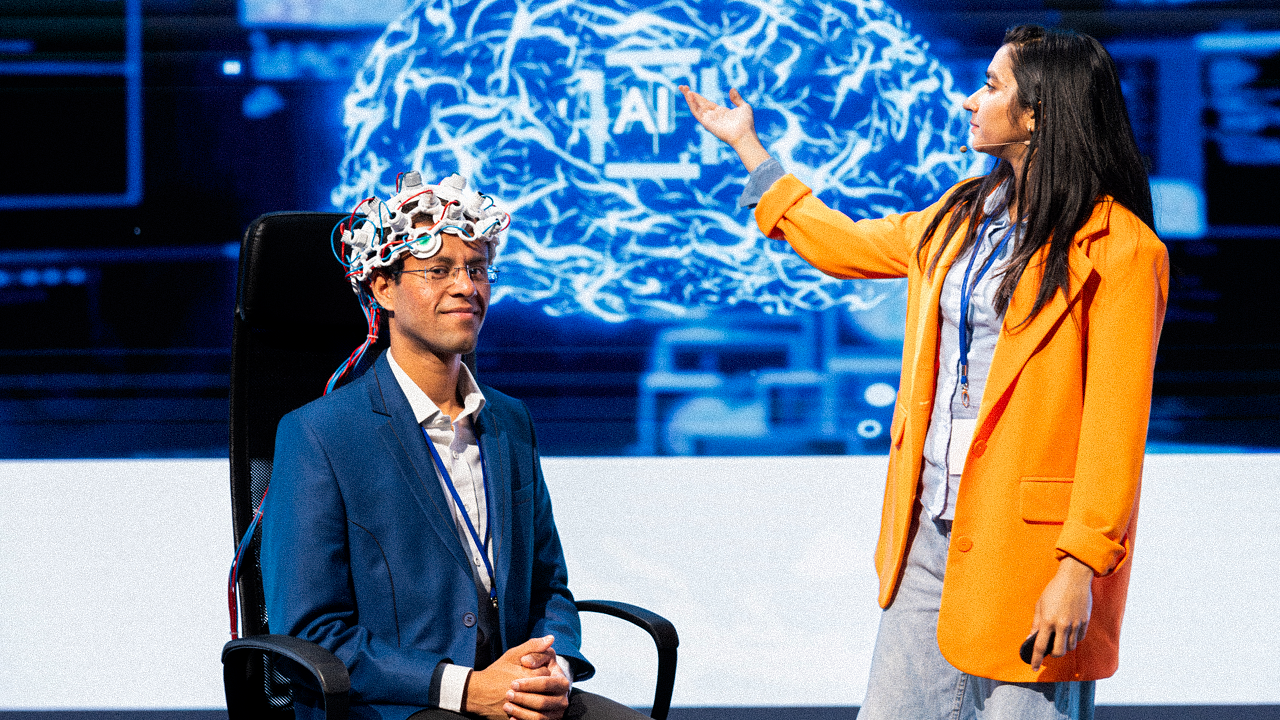
What Human + AI Collaboration Actually Means
Human + AI collaboration is a way of working where artificial intelligence handles data-heavy, repetitive, and scalable tasks, while humans focus on judgment, creativity, strategy, and ethical decision-making.
AI excels at processing large volumes of information, automating predictable workflows, and identifying patterns and probabilities. Humans remain better at contextual reasoning, strategic tradeoffs, creative direction, and accountability.
Why Human + AI Teams Outperform Either Alone
Startups operate under constant constraint: limited time, limited capital, and limited margin for error. Every decision matters more when resources are tight.
AI reduces friction at the decision level by allowing teams to test assumptions, model scenarios, and surface insights faster - while humans retain final judgment.
How Startups Use AI in Practice
In practice, startups apply AI to decision support, automation, and scaling operations without adding headcount. The goal is leverage, not replacement.

What AI Is Good At - and What It Isn’t
AI excels at speed, consistency, and pattern recognition. Humans excel at judgment, ethics, creativity, and accountability. The strongest results come from pairing these strengths intentionally.
Common Mistakes Startups Make With AI
Common failures include automating broken workflows, adopting too many tools without ownership, and removing human oversight too early.
Key Takeaways
- Human + AI collaboration increases leverage, decision quality, and scalability.
- AI should augment - not replace - human judgment.
- Small teams can compete with large organizations by redesigning how work gets done.
Frequently Asked Questions About Human + AI Collaboration
What is human + AI collaboration in simple terms?
It means using AI to handle repetitive or data-heavy tasks while people focus on decision-making, creativity, and strategy. AI supports humans rather than replacing them.
Why is human + AI collaboration important for startups?
Because startups operate with limited resources, combining human judgment with AI leverage allows them to move faster and compete with larger companies without increasing headcount.
Can AI replace human workers in startups?
AI can automate tasks, but it cannot replace human judgment, accountability, or ethical reasoning. Startups that rely solely on AI often struggle with nuance and long-term decision-making.
What tasks should startups automate with AI first?
Tasks that involve repetitive workflows or large amounts of data, such as reporting, scheduling, customer triage, and forecasting, are ideal starting points.
How do startups begin adopting human + AI collaboration?
Most start by identifying bottlenecks, introducing AI in low-risk areas, and keeping humans involved in reviewing and refining outputs over time.
Does human + AI collaboration reduce costs?
It can reduce costs, but the larger benefit is leverage—allowing startups to scale output and improve decision quality without proportionally increasing expenses.





We respect your digital space
We use cookies (the digital kind) to personalize your experience, improve performance, and understand what matters most to you. You’re in control—feel free to adjust your preferences. To learn more, please visit our Cookie Policy.